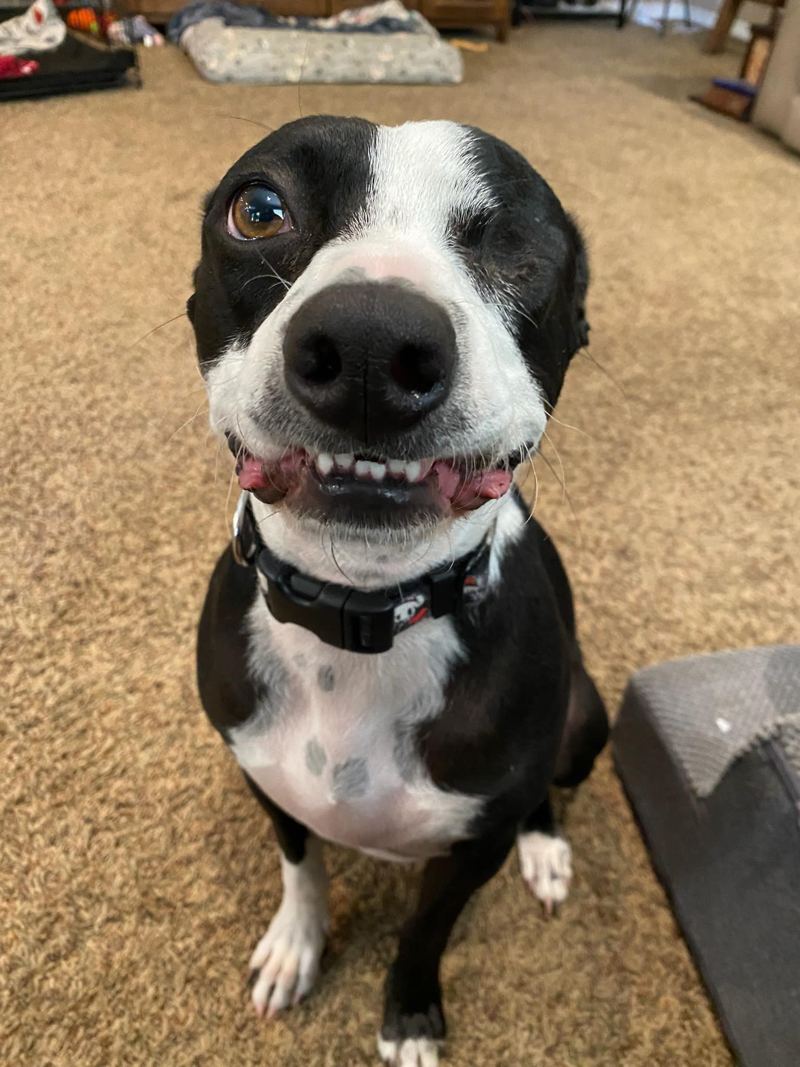
Dog aggression training · Boise, Idaho
Your dog isn't a bad dog. They ran out of ways to say no.
Safety first. Then understanding.
Growling, snapping, guarding food or toys, or a bite that changed everything. Aggression is the loudest thing a dog can say. I help you understand what's behind it, keep everyone safe and rebuild trust in your home.
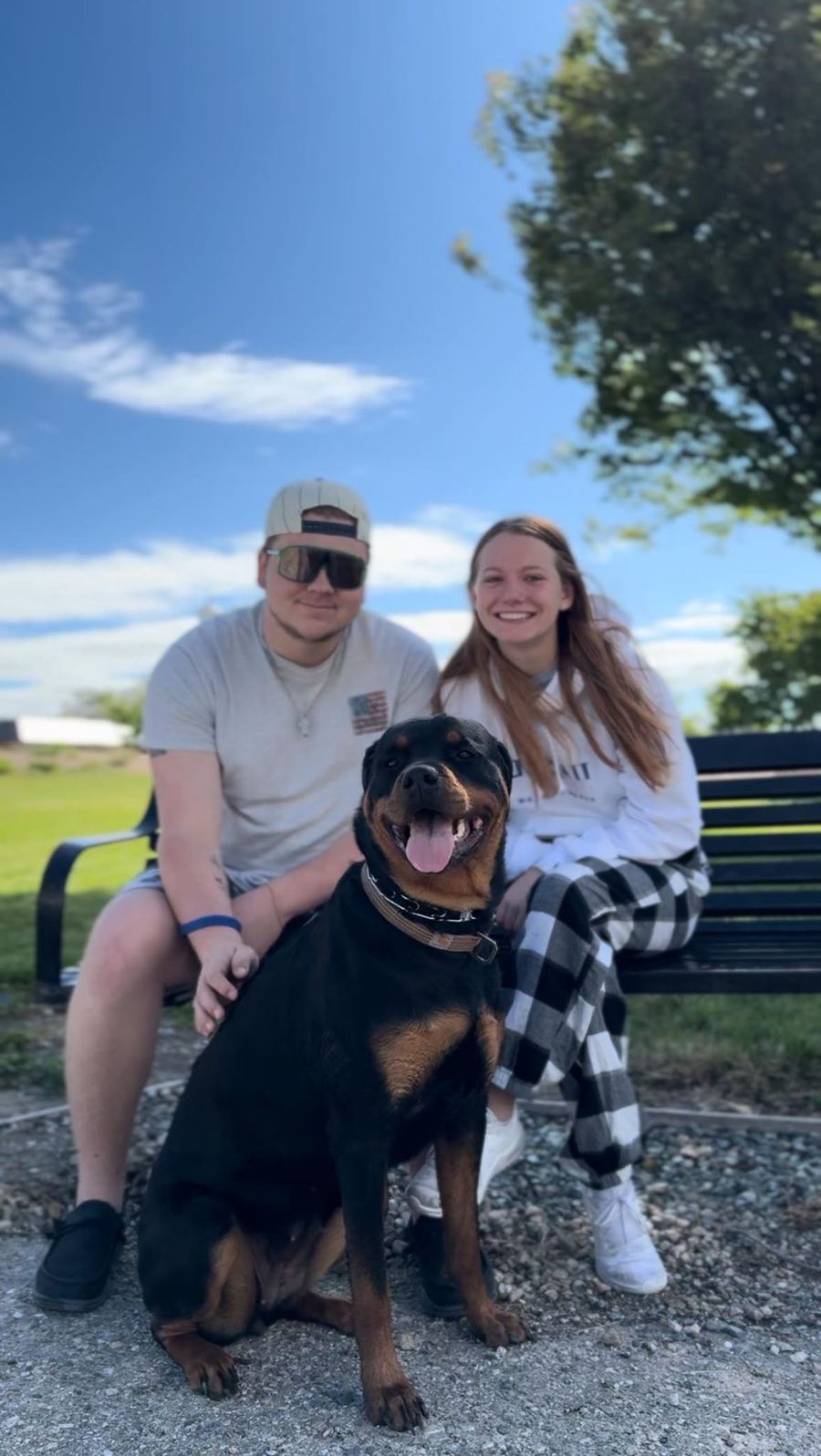
Sound familiar?
Loving a dog you're scared of
- ✦
Guests mean a closed door
Your dog gets put away every time someone comes over, just in case.
- ✦
Some things are off limits
The food bowl, a toy, the couch. You've learned not to reach for them.
- ✦
You walk on eggshells
You love your dog, and some days you're nervous around them. Both are true.
- ✦
Someone told you to give up
A friend, a trainer or a vet said there's nothing left to try. You're not ready to believe that.
The translation
What aggression is really saying
A growl or a bite is a message with a reason behind it. Finding that reason is where real change starts.
"Get away, I'm scared."
Fear. When running away isn't an option, some dogs make the scary thing leave instead.
"That's mine. Don't take it."
Guarding. Food, toys, a spot on the couch or even a person can feel worth protecting.
"Stop, that hurts."
Pain. A sudden change in temper is a good reason for a vet visit, especially in an older dog.
"I asked nicely first."
Missed warnings. When the small signals don't work, a dog learns to skip straight to the big ones.
Before the bite
Dogs almost always warn first
Most bites come after a string of quieter warnings. Learn the ladder and you can step in on the lowest rung.
Looking away
Head turns, eyes avoid, a lip lick or a yawn. "I'm not comfortable with this."
The freeze
The body goes still and stiff. This is a dog deciding what to do next.
The growl
A clear "back off." Don't ignore it. Calmly step in, stop what's happening and create space before it goes any further.
The snap
A bite that stops short, often on purpose. Your dog is still holding back, and asking you to listen.
How I help aggressive dogs
Safe, steady and together
- 1
Translation Session
I meet you and your dog safely, learn what sets them off and what they're trying to say, and explain it in plain words. $150.
- 2
A safety plan
Simple changes at home that keep everyone safe right away, plus muzzle training when it's needed, taught so your dog is comfortable.
- 3
Work on the why
Private lessons at your home, or Day Training if it's a good fit for your dog. You learn alongside your dog, with homework between sessions.
- 4
Trust again
You learn to read the early warnings and answer them, so your dog doesn't need to shout anymore.
From a client
"Alicia has done an amazing job with my pup! He was on the verge of being put down because of him being so aggressive towards people he had already bit one person and I'm so glad I found her. She really helped me understand things I never knew and how to handle him in every situation!"
Andre Hernandez · Google review
Questions
Dog aggression FAQ
Can an aggressive dog really change?
Many can, a lot more than their families expect. No honest trainer can promise a dog will never bite, so we focus on two things: keeping everyone safe, and changing how your dog feels about what sets them off. Your Translation Session tells us what's realistic for your dog.
Do you work with dogs who have bitten?
Yes. Many of my clients come to me with dogs who have growled, snapped or bitten. We start with safety, often with muzzle training, and build from there.
What should I do until our session?
Keep things safe and simple. Avoid the situations you know set your dog off, and keep guests and your dog apart. If your dog growls, calmly stop what's happening and give them space instead of pushing through. If your dog has bitten someone, or you feel unsafe, call me before trying anything new: 208-273-9979.
Will my dog have to wear a muzzle?
Sometimes, for safety while we work. A muzzle taught the right way is just another piece of gear. Most dogs learn to see it like a leash, a sign that something good is coming.
Which program is best for an aggressive dog?
We decide together in your Translation Session. Many dogs with aggression do best with In-Home Behavioral Training, 8 private lessons at your home, where the behavior happens. Some are a good fit for Day Training. See programs and prices.
What areas do you serve?
Boise, Meridian, Nampa, Eagle, Star and Caldwell. Day Training has optional door-to-door pickup, and In-Home lessons come to you.
Your dog has been talking all along.
Stop guessing and walking on eggshells. Start with one session and hear what they've been saying.
5.0 from 36 Google reviews