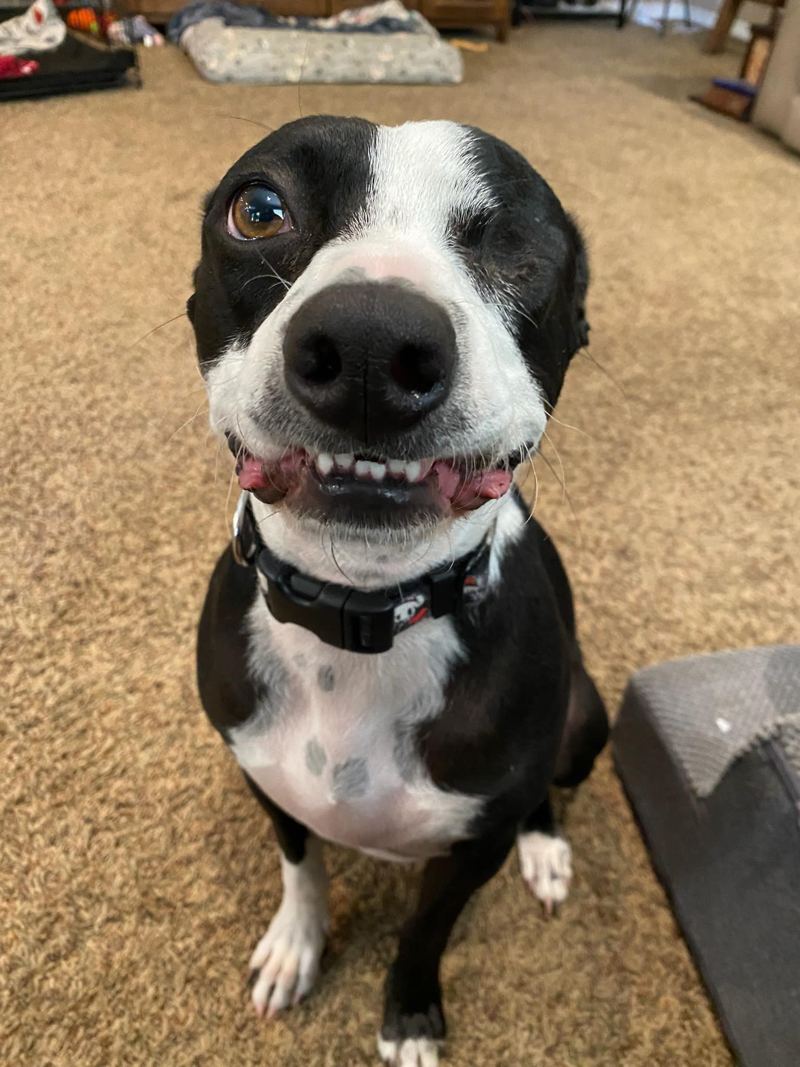
My dog is scared of everything. How do I help them feel safe?
Hiding when guests come over, shaking at the vet, panicking at loud sounds. Living with a fearful dog can feel heartbreaking. The good news: you can become the safe place your dog leans on while their confidence grows.

A fearful dog isn't stubborn, spoiled or "just being dramatic." Their body is telling them they're not safe. You can't train fear away with commands, but you can change how safe your dog feels, one small step at a time.
Signs your dog is afraid
- Tail tucked, ears pinned back, body low
- Hiding, leaving the room or trying to get behind you
- Shaking, panting or pacing when nothing is physically wrong
- Refusing treats they normally love
- Barking or backing away at new people, sounds or places
Where fear comes from
Some dogs missed out on meeting the world as puppies. Some had a scary experience. Some are just born more sensitive. Pain can play a part too, so if the fear showed up suddenly, a vet visit is a good first step. Whatever the reason, the way forward starts the same way: safety first.
One thing you can do today
Let your dog choose. Don't push, pull or lift them toward something scary. Letting them look and decide at their own pace is where confidence starts.
Why fear needs a plan, not a push
Move too fast and a fearful dog can get worse. Move too slow and they stay stuck. Knowing which small step comes next, and when your dog is ready for it, is different for every dog. That's the part we map out together.
"I want to be brave. I just need to know I'm safe."
When to get help
If your dog's fear is getting in the way of everyday life, like walks, guests or vet care, or you're seeing growling or snapping when they feel trapped, it's time to bring in help. In a Translation Session I learn what your dog is afraid of and show you how to become their calm, safe place.
Your dog has been talking all along.
Stop guessing and walking on eggshells. Start with one session and hear what they've been saying.
5.0 from 36 Google reviews